
‘There may be an end to cure, but there is no end to care’
Karunashraya, literally meaning ‘abode of compassion’ is a hospice centre that aims to give compassionate care to terminally ill cancer patients who are beyond cure. A collaborative initiative by the Indian Cancer Society and Rotary Bangalore Indiranagar, the first campus of Karunashraya came up in Bengaluru in the 1990s over several phases and has been providing free-of-cost treatment for over two decades. Karunashraya aims to be a place where high quality care and the calm environment exuded by the architecture and nature can help give people dignity in the last stages of life.
The new centre at Bhubaneshwar, funded by Indian entrepreneur Subrato Bagchi, is a comprehensive palliative care centre encompassing care wards, training centres, counselling rooms, guest rooms and housing for nurses and doctors, and an auditorium.
The principal architect for this project was Medappa PN, with the team comprising Ar. Febin Frederick, Ar. Sahana Malagatti, Ar. Shweta Chandran, and Uday Kumar. Recently, it won the international Plan Award 2025 in the Health category, presented in Milan, Italy.
In the blog below, Medappa shares his experiences and insights from the project.
A space for peace
Peace and harmony are essential components of palliative care.
In spirituality, the belief is that the consciousness that you carry in the last stage of life is what will be taken forward when you pass on to the next realm. So being in a peaceful mental state is important for believers. For instance, some people go to Varanasi at the last stages of their life, to be at peace and be liberated at the last stage of life.
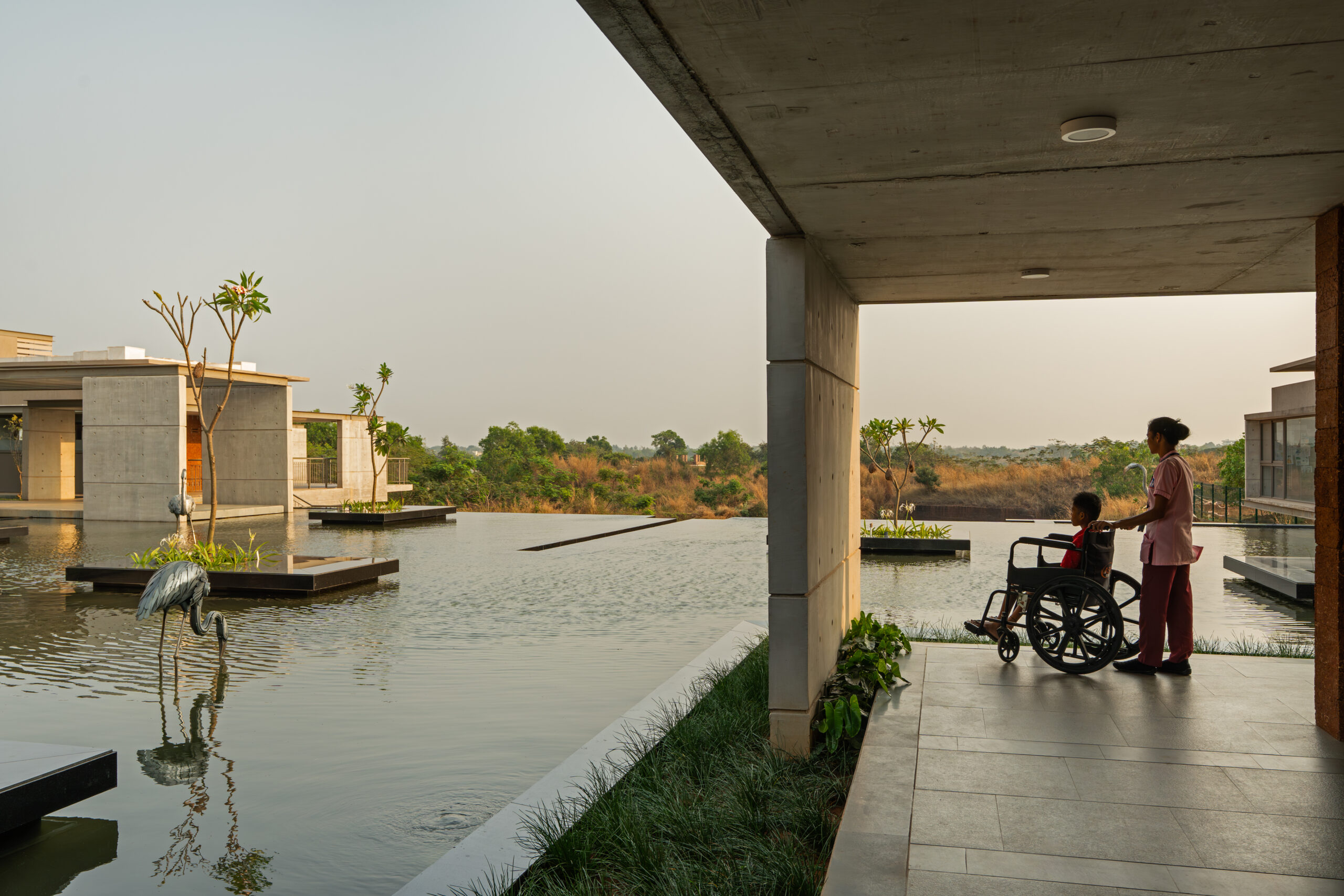
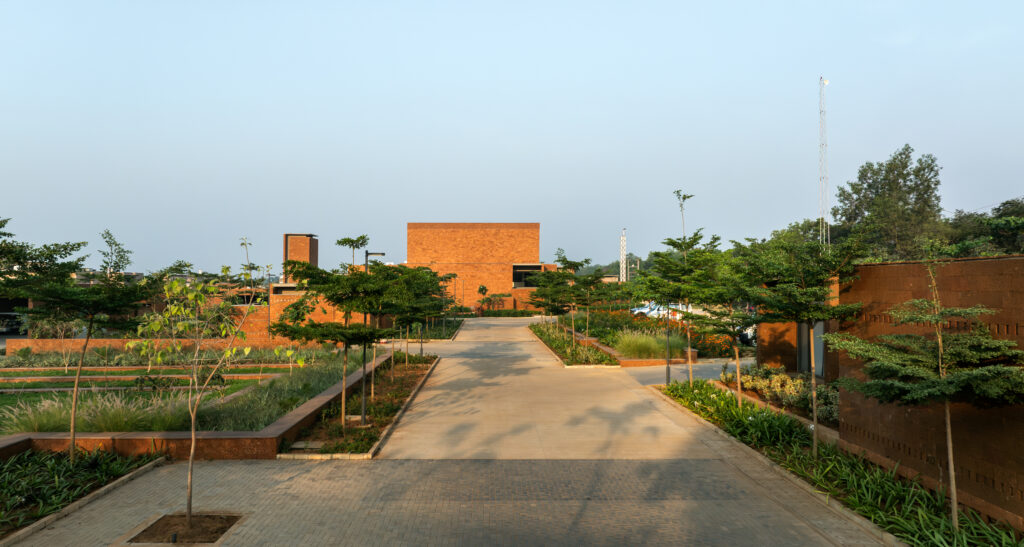
At Karunashraya, where the residents are beyond recovery, we wanted to bring in a sense of peace through the architecture, and ensure an environment of utmost comfort and care. It is universally accepted that nature has the ability to calm people. Thus, the wards and care units at Bagchi Karunashraya are all set amidst greenery, earthy landscape and water to lend an atmosphere of calm to the residents.

The site
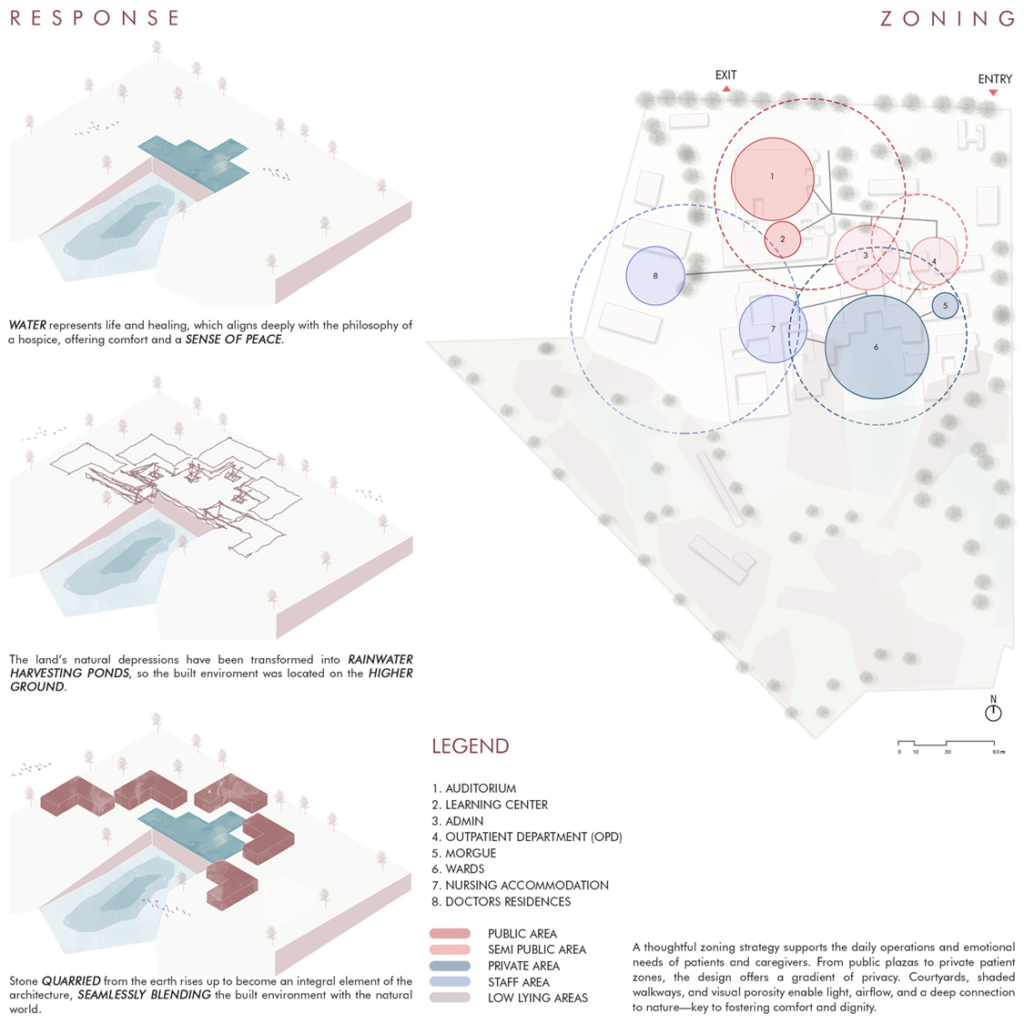
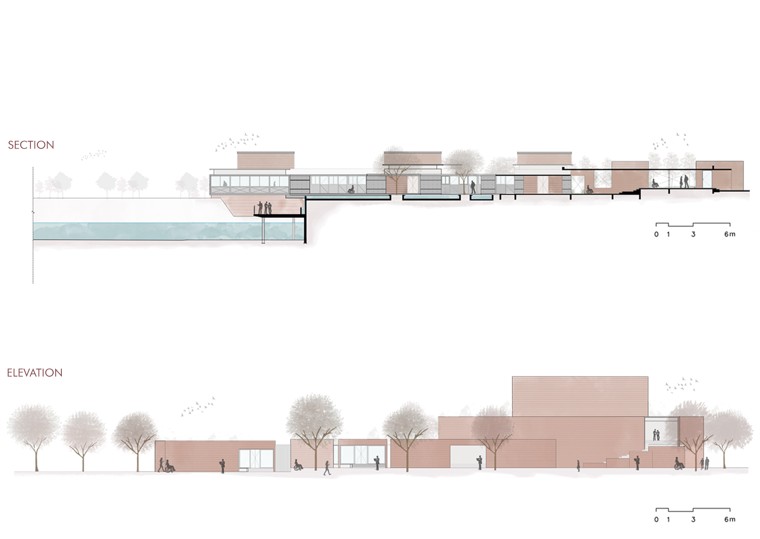
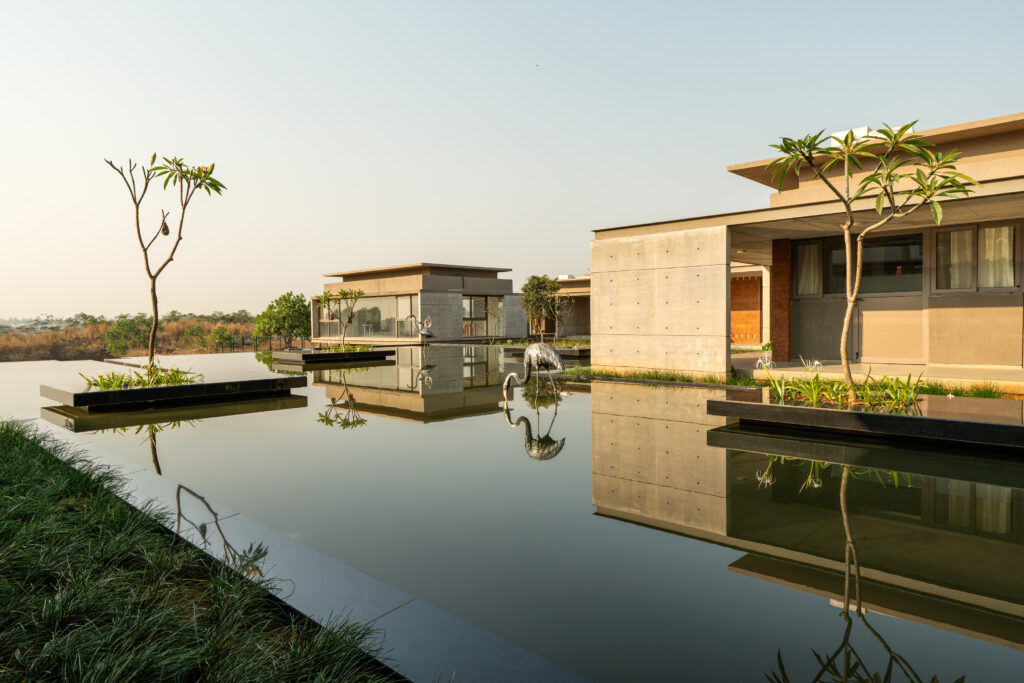
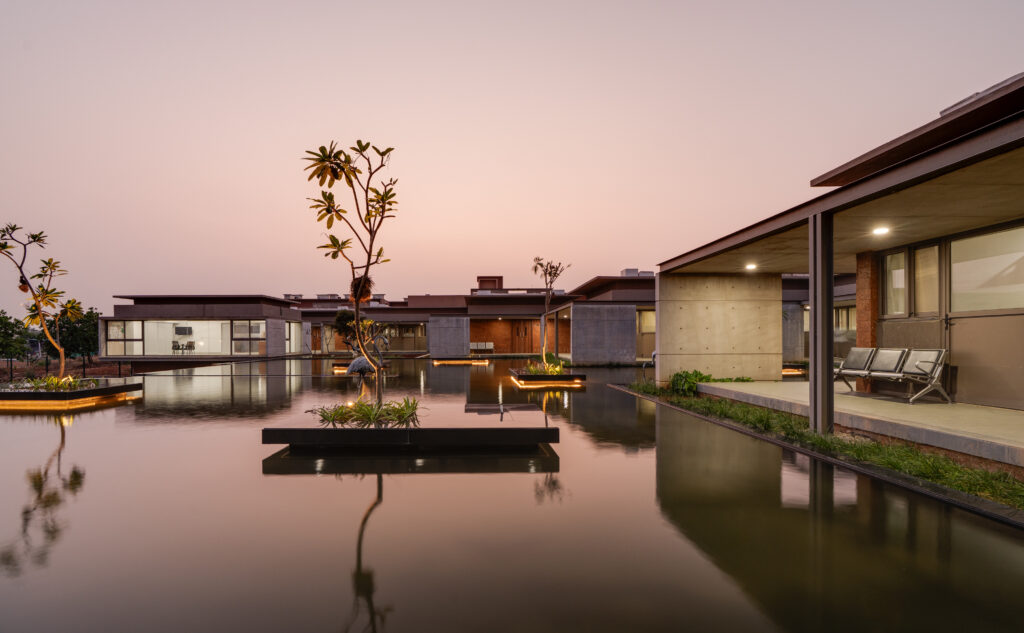
The 20 acre site in Bhuvaneshwar is located on a laterite bed. The site contained two existing pits from quarrying, and these form a natural water body during the rain. The design retained these pits, re-imagining them as rainwater harvesting ponds, and introduced an additional shallow water body.
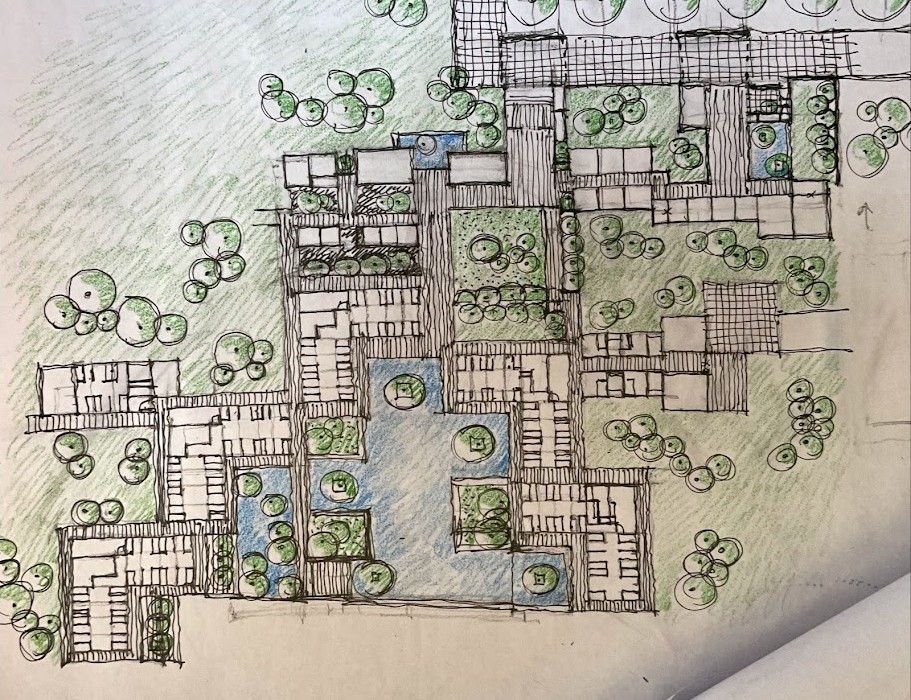
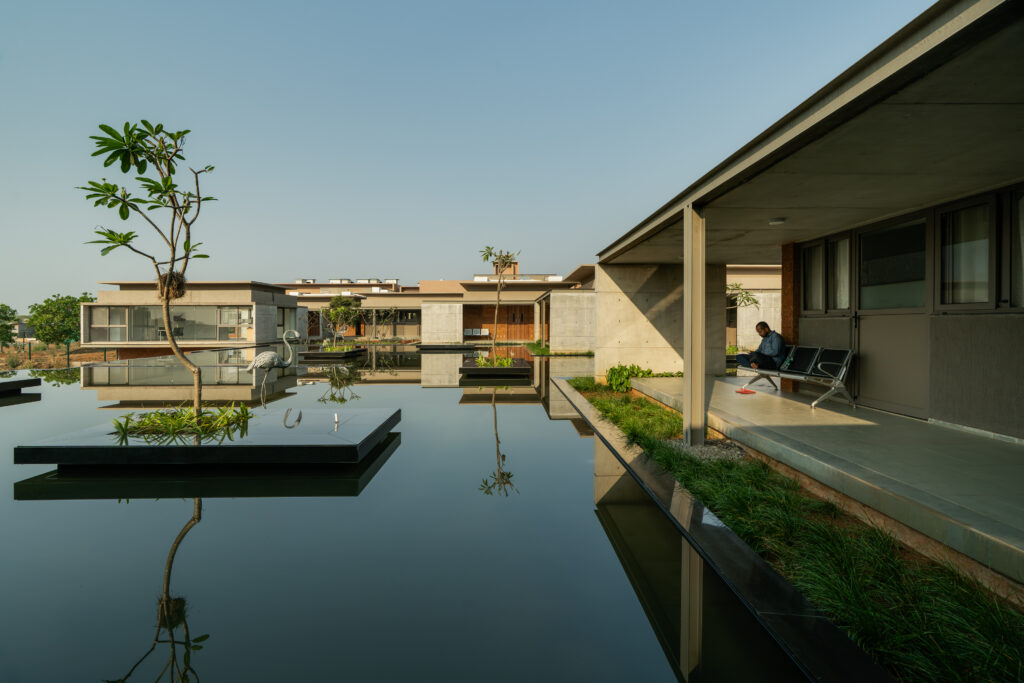
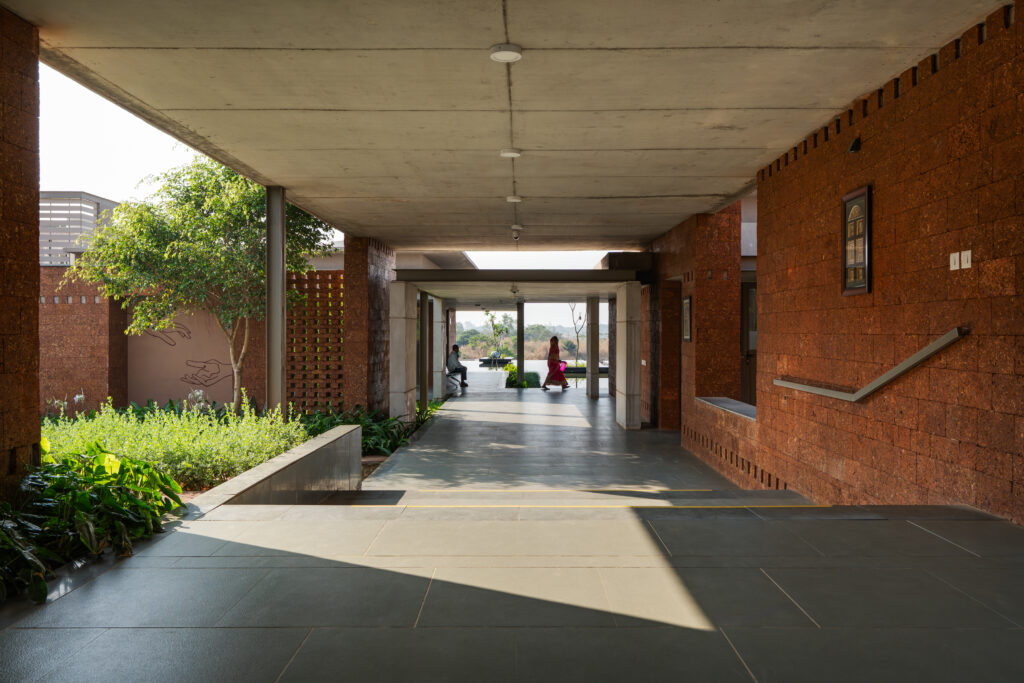
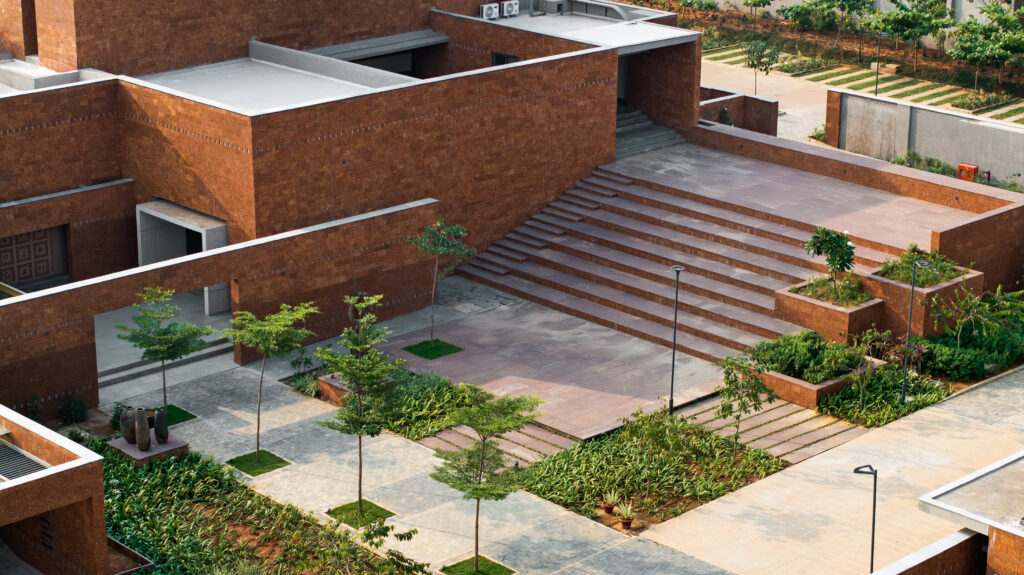
The building was placed along the edge of the quarry, spread around central landscaped plazas, to harness the views of the water and maximise access to greenery. This results in a meditative space with an interplay of built and unbuilt spaces. The built form follows the gradual gradient of the site, with gradual drops and ramps allowing barrier-free movement throughout the campus.
Material Palette
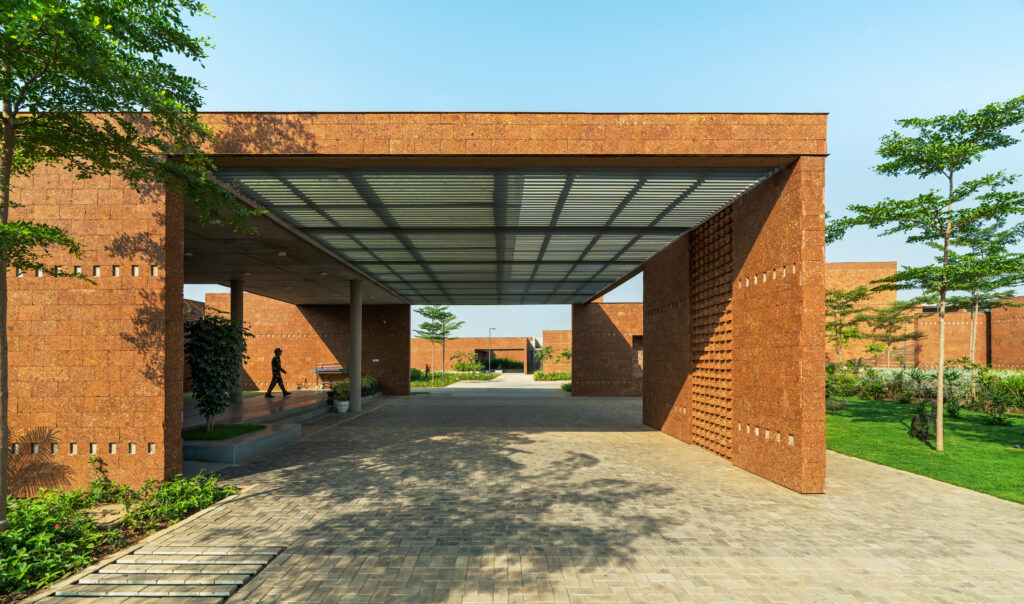
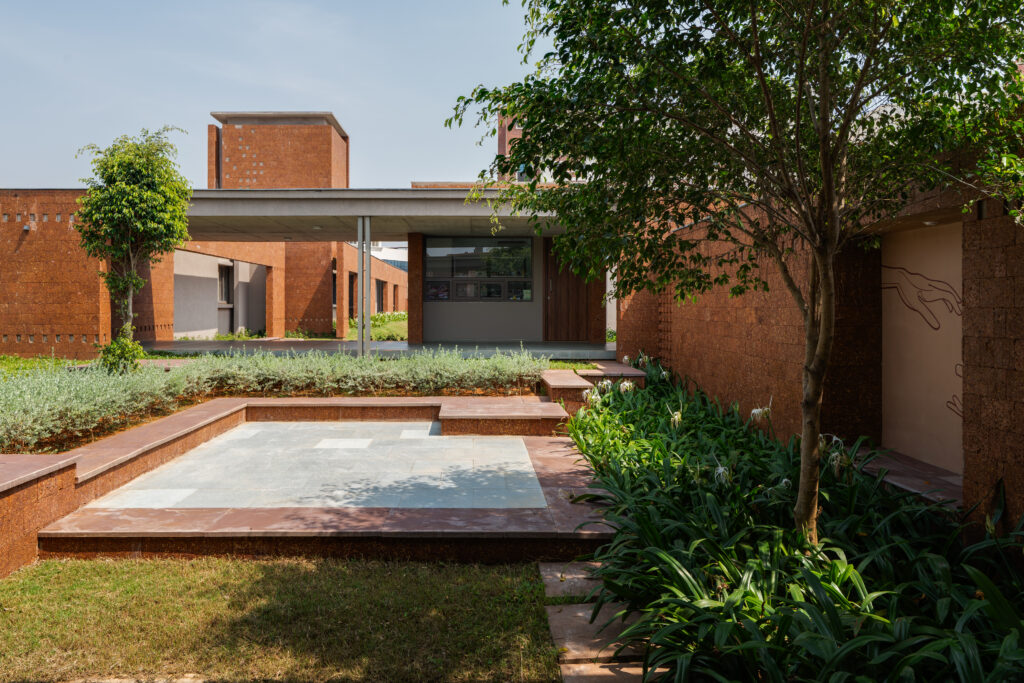
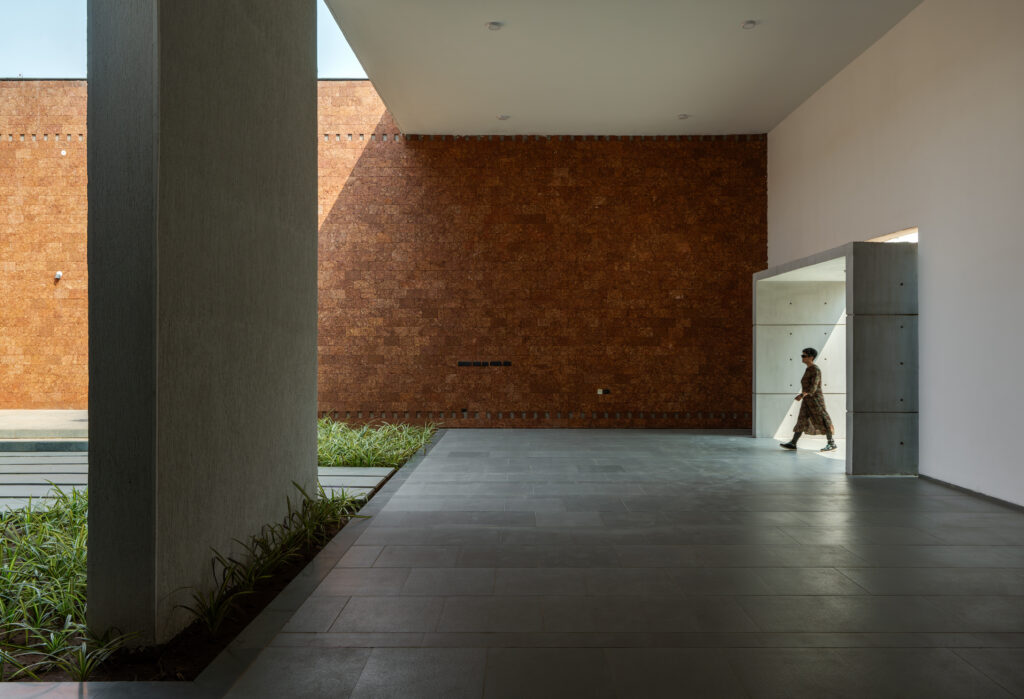
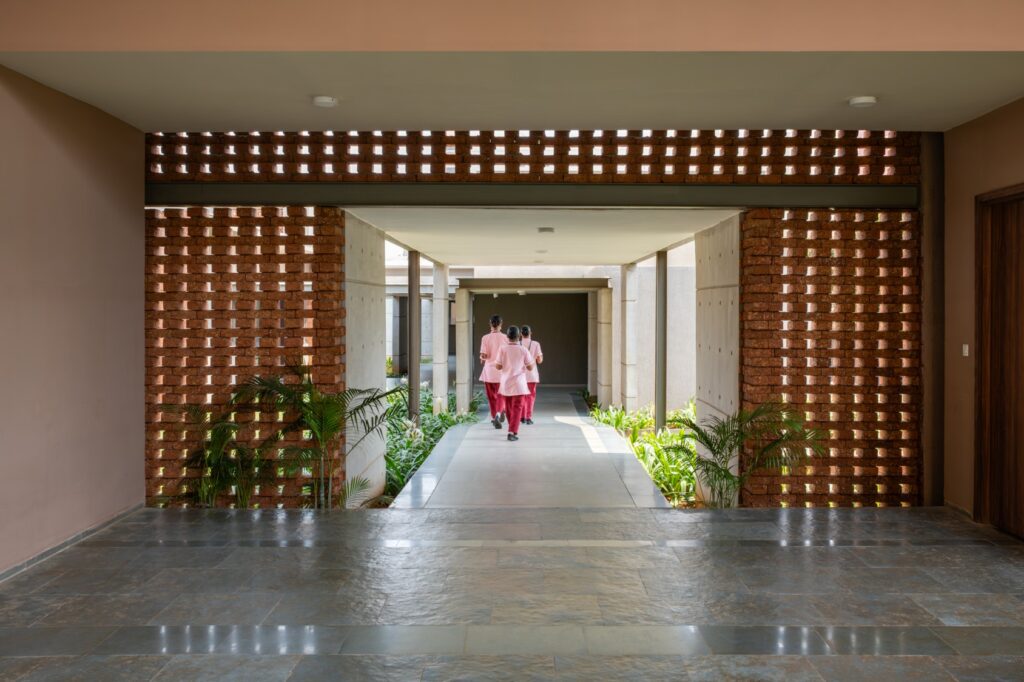
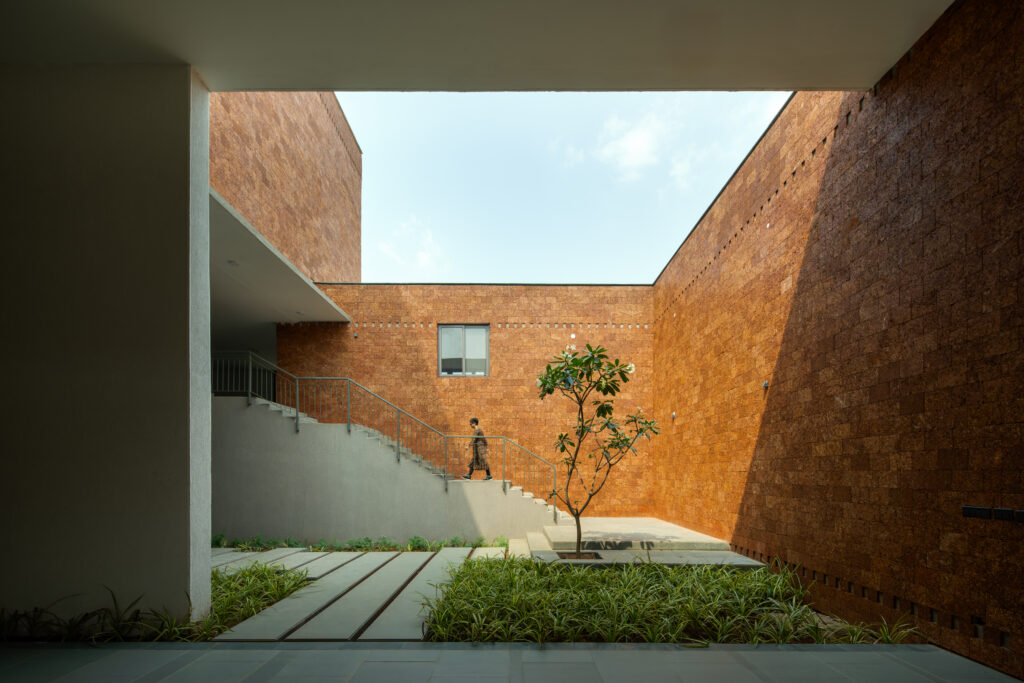
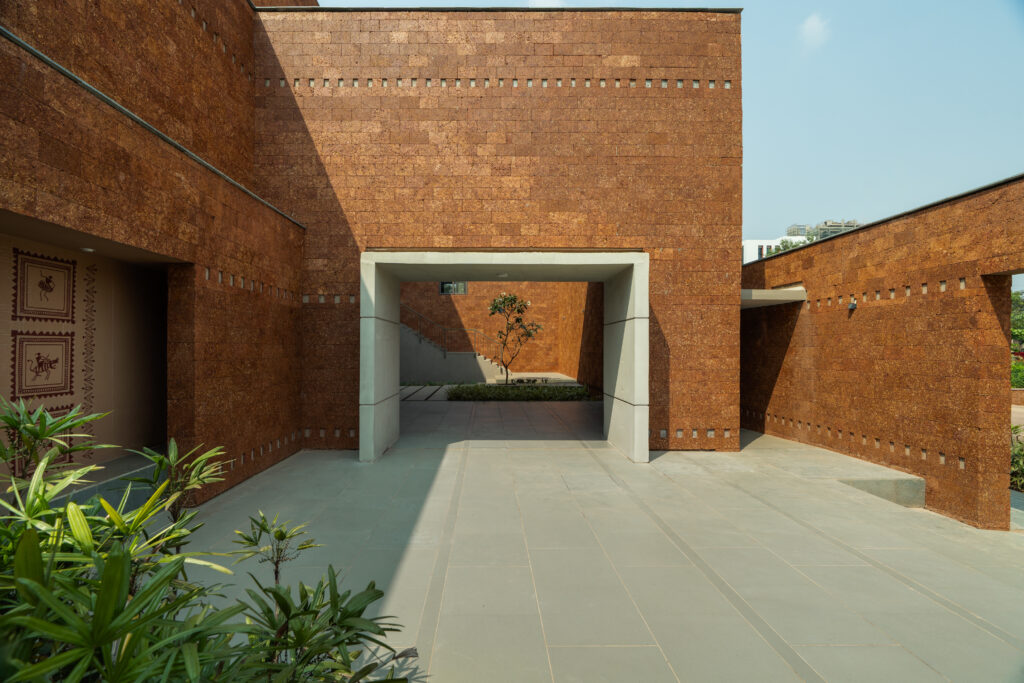
The materials were selected to blend in with nature while responding to the site geography and geology. As an ode to the site which was a laterite quarry, the cladding was done in laterite stone. Grey was extensively used with kota flooring, and cobbles on walls. The palette, profile, and location of buildings near the waterbody was also inspired in part by the temples of the region.
Design of the functional spaces
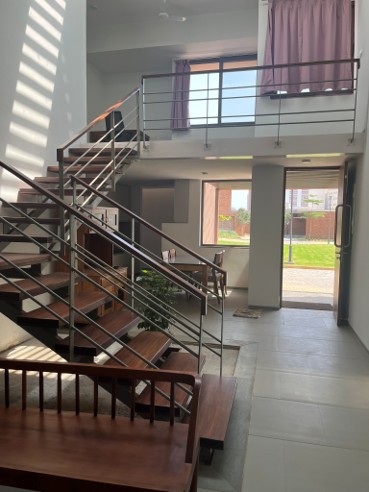
The functional spaces such as the Outpatient Department, Administrative Block, In-patient Wards, Nurses’ Housing, Learning Center, Auditorium, and Staff Residences are dispersed according to function, privacy requirements, and topography.
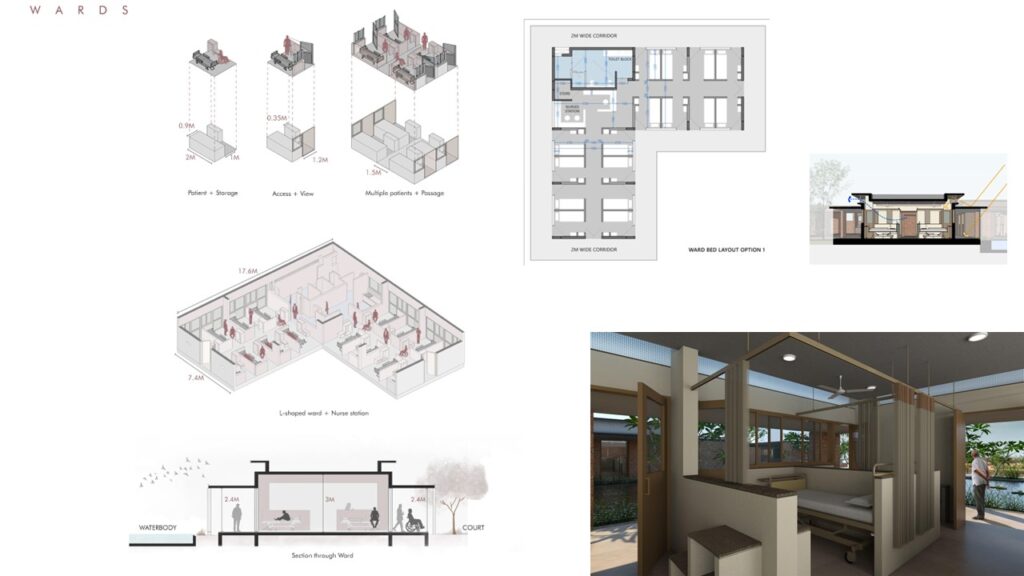
The wards were designed in an L shape to provide the nurses with best visibility from the central nursing station. Beds and chairs can be easily wheeled out to the verandahs, making them a spillout space to help residents come closer to nature. Initially, the plan was to keep the wards naturally ventilated. But with the hot and humid climate at Odisha, it was decided that patient comfort was of utmost importance, and the wards were air-conditioned. The common spaces were naturally cooled with the wind movement, as well as the artificial water body and natural pond.
The staff are the heart and soul of the hospice, and it is their compassion and dedication that keep the space running. It was important to give them not only comfortable and functional areas, but spaces that can help them refresh and recharge after work. Since nurses and doctors live on the site, care was taken to design the residences such that they can disconnect and go back to the privacy of their own space before coming in to work their next shift.
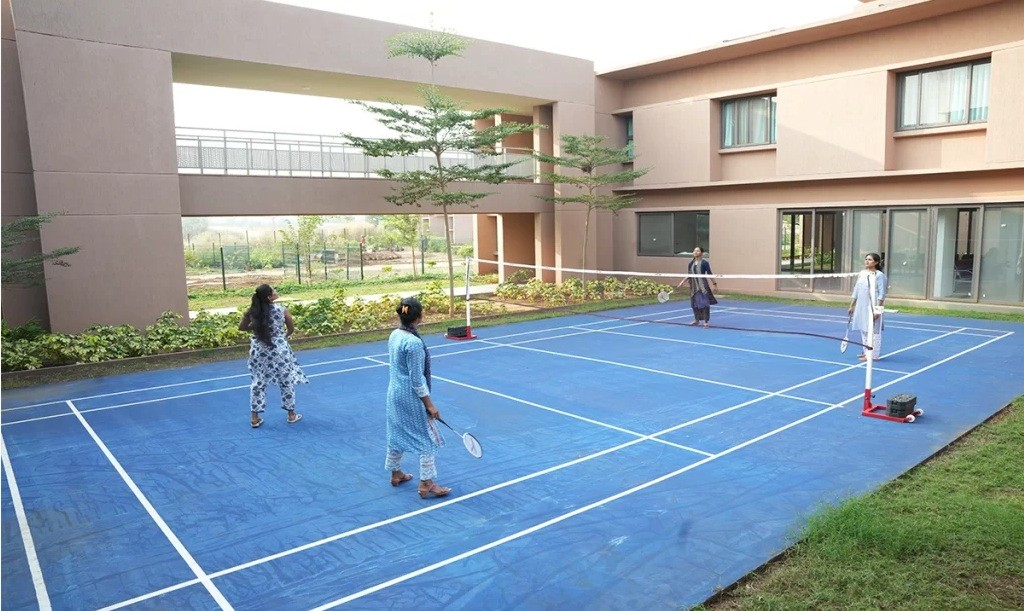
The nurses residence block was designed with its own courtyard, easily accessible to the wards but with its own private spaces. This block also has the nurses dining areas, and facilities like games area, a gym and recreational spaces.
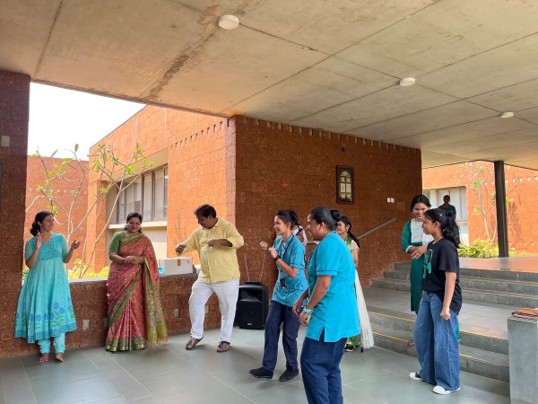
Other functional spaces included a children’s treatment block with a play area, diversional therapy rooms, isolation rooms for the last stages of life, learning and training rooms for the staff, guest rooms for visitors, prayer rooms, doctors residences, and a morgue. Besides the functional spaces, the green courts and corridors throughout the campus have also become spaces that the staff use for informal gatherings and events.

The auditorium
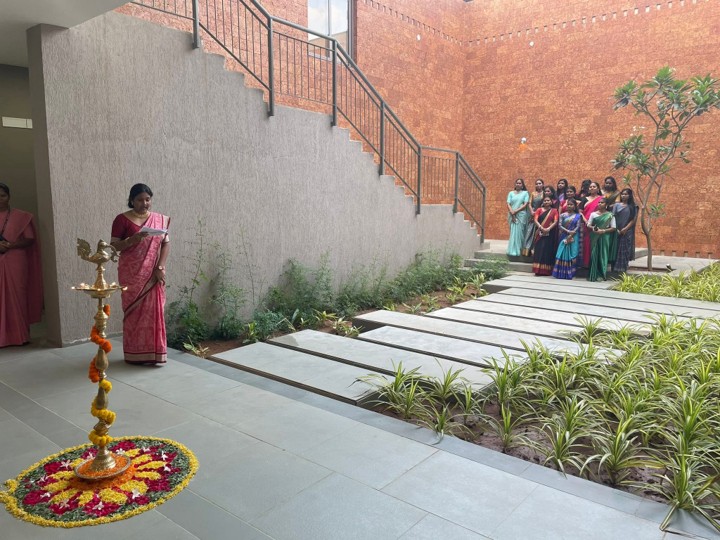
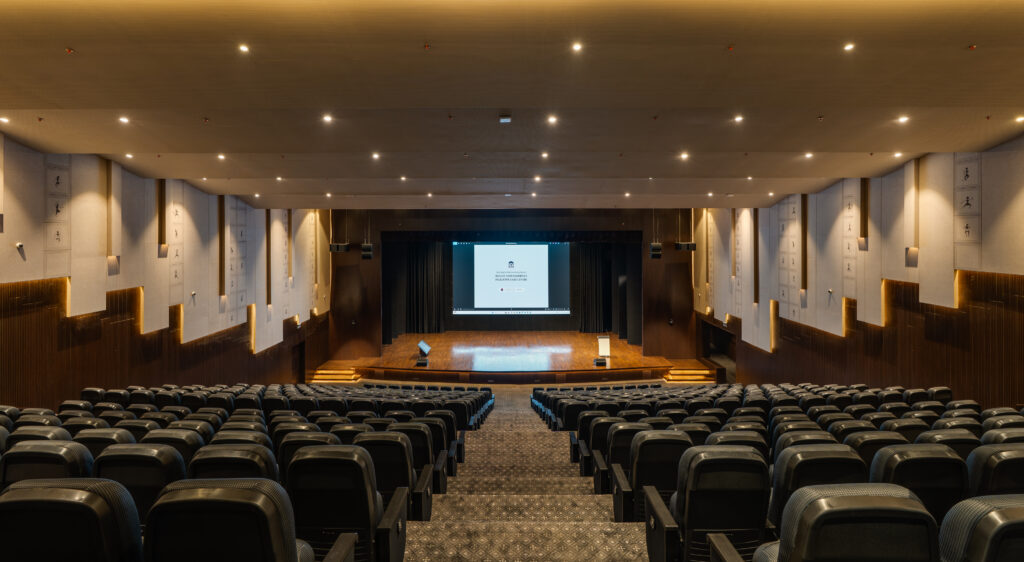
The auditorium is a semi-public zone, used by the staff but also rented out for external events. It has its own entry with a pre-function area, and the first encounter with the auditorium is through a series of blank walls. The main structure and surrounding plazas are revealed slowly. Intentional punctures create a play of light and element of surprise, with framed views of the outside. The auditorium and the spaces around are used by the staff for monthly homage to departed souls, for yoga and other recreational activities.
Staying rooted to local art and tradition
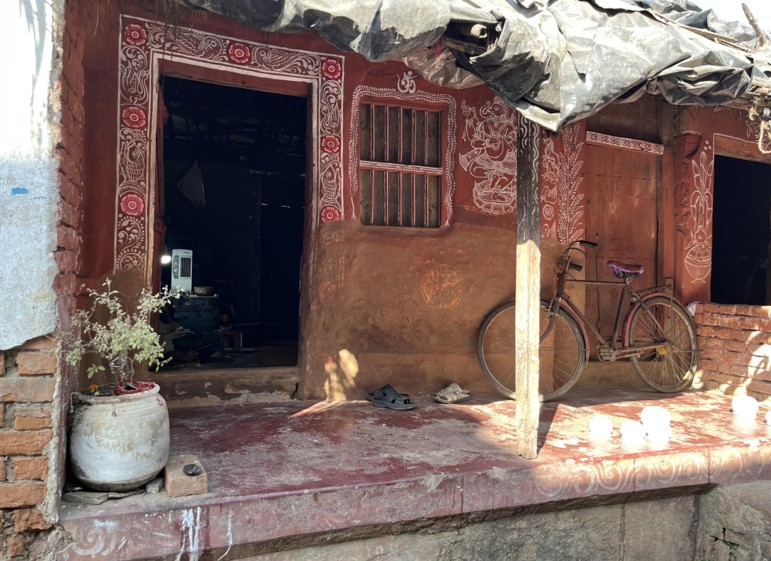
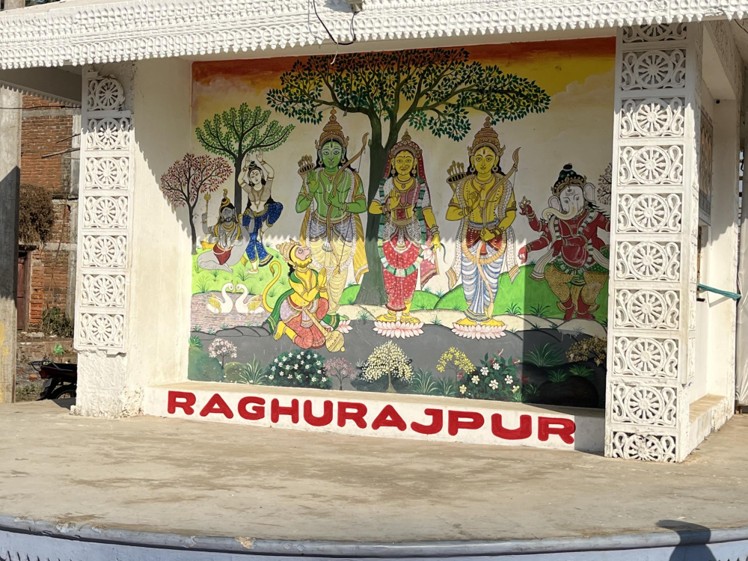
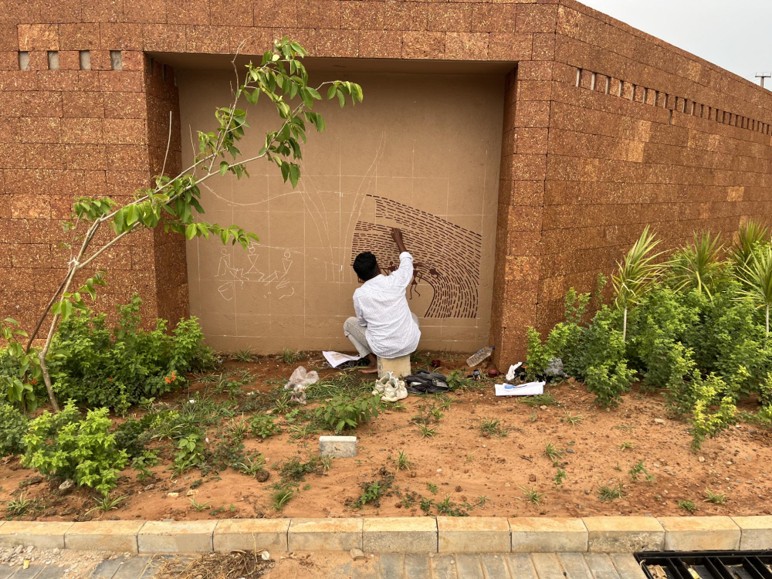
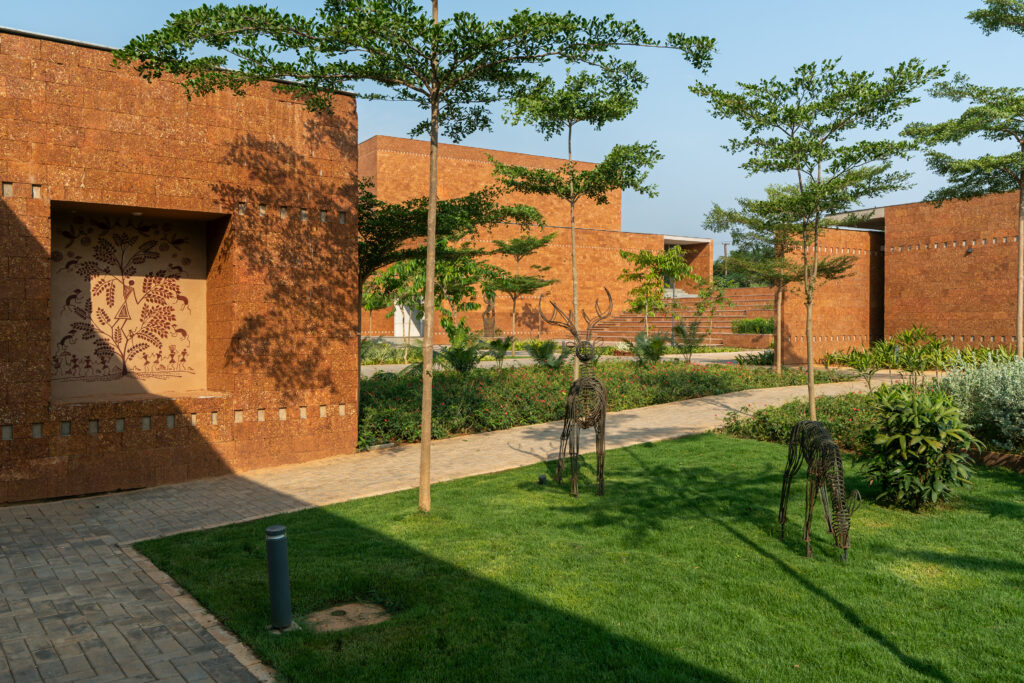
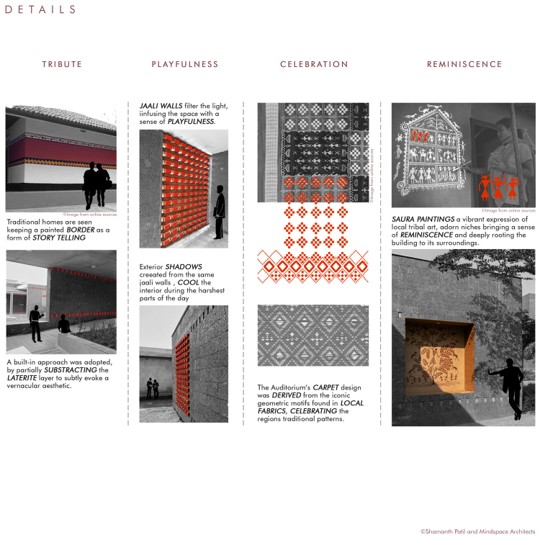
Odisha is a state rich in traditional art and craft, with several unique art forms like pattachitra, saura art, sambhalpuri weaves and dhokra art. We visited the village of Raghurajpur, a renown crafts village where every home is an artisan’s home, and the entire village was painted with traditional pattachitra artwork. These art forms were incorporated into the buildings in different ways: through the artwork inlay in recessed panels on the walls, in the horizontal band on the facade, and even in the geometrical motifs pattern of carpets in the auditorium.
The wall art was done by local artists in collaboration with the project architects to be adapted to the form of the building. The animal sculptures in the waterbody, made of waste metal, was also inspired from traditional metal work.
Sustainability & Environmental Responsiveness
Rainwater Harvesting: Quarry pits have been transformed into water-retaining ponds, enabling complete retention of surface runoff and groundwater recharge.
Solar Power: Photovoltaic panels located in the rear zones generate clean energy, reducing dependency on the grid.
Wastewater Management: An energy-efficient anaerobic Sewage Treatment Plant (STP) ensures eco-conscious wastewater processing with minimal carbon impact.
Passive Cooling: Evaporative cooling in nurse accommodations reduces the need for mechanical air conditioning, addressing Bhubaneswar’s tropical climate with minimal energy use.
A project that holds special meaning
Ultimately, the design aimed to reflect the compassion and care which the management strives for. A project like this is not only about architecture. Being surrounded by people working with dedication and compassion for a good cause becomes an inspiration for architects, and this also helps bring out the best in the design. It resonates so deeply that one feels they are designing a space that can rise from the earth, and connect to the cosmos.
Over time, greenery has taken over the project and given the place a new identity, created a cool micro-climate, and made the previously barren space an oasis of calm, dignity and care.
Photos by Shamanth Patil
The project details and drawings are copyright of Mindspace. Please do not reproduce without permission
Bagchi Karunashraya Palliative Care Center: Project Fact File
Client: Bangalore Hospice Trust
Design Team: Principal Architect Medappa P N, Ar. Febin Frederick, Ar. Sahana Malagatti, Ar. Shweta Chandran, Uday Kumar
Completion: September 2024
Plot Area : 20 Acres (8,70,700 sq.ft)
Built Up area: 11840 sq.m ( 1,27,400 sq.ft)
Photography: Shamanth Patil
Awards: THE PLAN Awards 2025
Structural Consultant: Ramkumar- Rays Consulting Engineers
Landscape: Kannan S – Design Mileu

Leave a Reply